If you have been hearing the term IPTV more and more often but are still unsure what it actually means, you are far from alone. Internet Protocol Television is one of the most significant shifts in how households across Europe consume media, and it is directly replacing expensive cable and satellite subscriptions at a pace that even industry analysts did not predict ten years ago. Finland in particular has seen rapid adoption, with households of all ages making the switch to flexible, affordable internet-based television. But what exactly is IPTV, how does the technology work behind the scenes, and is it the right choice for your household? This guide walks you through everything — from the core technology to choosing your first subscription — in plain and straightforward language that anyone can understand, regardless of technical background.
How IPTV Delivers Television to Your Screen
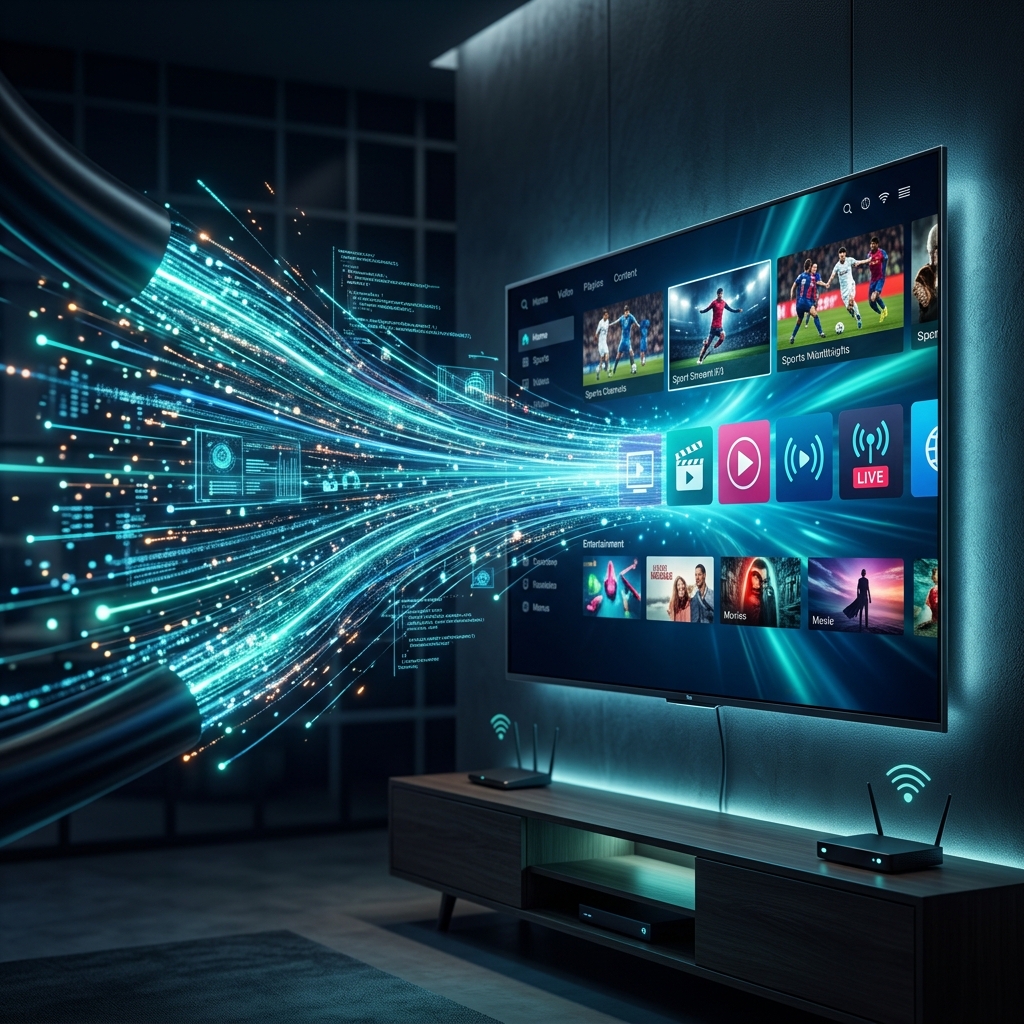
Traditional television relies on radio frequency signals broadcast continuously through antennas or physical coaxial cables that run directly into your home. The signal is constant and broadcasts every channel simultaneously whether you are watching them or not, which is an inherently inefficient use of infrastructure. IPTV works in a fundamentally different way. Instead of a broadcast signal, television content is converted into digital data packets and delivered over the internet using the same underlying protocols that power websites, video calls, and online streaming platforms. When you select a channel in your IPTV application, your device sends a request to the provider server, which then streams only that specific channel directly back to your device in real time. This approach is known as unicast delivery, meaning you receive only what you request. Content Delivery Networks positioned strategically around Europe ensure that streams arrive with minimal latency and buffering even during high-demand peak viewing hours.
The Three Core Types of IPTV Content
Every IPTV subscription delivers content in three distinct formats, each serving a different viewing need. Live IPTV gives you real-time access to thousands of television channels broadcasting exactly what is on air at that precise moment, from Finnish news bulletins to live Premier League football. Video on Demand, commonly abbreviated as VOD, allows you to browse and watch from a library of pre-recorded content including movies, complete television series, documentaries, and stand-up specials whenever you choose, effectively replacing the need for multiple separate streaming subscriptions. The third format is Time-Shifted Television, often called catch-up TV, which lets you go back and watch programmes that already aired, typically covering a window of up to seven days in the past. This powerful combination means you are never locked to a fixed broadcast schedule and can watch exactly what you want, precisely when you want to watch it.
What Equipment Do You Need to Get Started?
One of the most appealing aspects of IPTV is how little hardware you actually need to begin watching. The requirements come down to just three things. First, a stable internet connection delivering at least 25 Mbps for smooth HD streaming, or 50 Mbps if you want reliable 4K Ultra HD content without any buffering. Second, a compatible device — which can be almost anything you already own, including a Samsung or LG Smart TV, an Amazon Fire Stick, an Android phone or tablet, an iPhone, an iPad, or a Windows or Mac computer. Third, an active IPTV subscription from a reliable provider. You do not need a satellite dish, a cable installation appointment, or any specialist hardware shipped to your home. In most cases you can be watching your first live channel within ten to fifteen minutes of subscribing, entirely through downloading an app and entering your credentials.
Understanding SD, HD, Full HD, and 4K Quality on IPTV
IPTV services deliver content at multiple quality levels depending on your internet speed and the original broadcast format. Standard Definition at 480p requires only around 5 Mbps. High Definition at 720p needs approximately 10 Mbps and delivers noticeably sharper picture quality on larger screens. Full High Definition at 1080p is the most common quality level for premium channels and requires a consistent 25 Mbps. Finally, 4K Ultra HD offers four times the pixel density of 1080p and demands a solid 50 Mbps for a genuinely buffer-free experience. Most quality providers encode channels according to the original broadcast format rather than artificially upscaling, so you see content as it was intended. When evaluating providers, look for those that clearly label each channel by its actual resolution.
IPTV Versus Traditional Television
The differences between IPTV and traditional cable or satellite television go far beyond cost, though the cost difference is certainly the most immediately impactful. Traditional television is a one-way broadcast model: you receive whatever the provider schedules, you pay for large bundles of channels you will never watch, and you are tied to a physical installation that may have required a technician visit and equipment rental fees. IPTV flips this model entirely. You watch on any device you own, in any room of your home, or even outside your home when connected to mobile data or hotel Wi-Fi. You pay a single, transparent monthly fee regardless of how many channels are included in your package. Content updates and channel additions happen server-side with no hardware changes required on your end. According to Wikipedia, IPTV technology has been commercially available since the 1990s but has only become practical for mainstream consumers in the last decade thanks to the widespread rollout of fast fibre broadband across countries like Finland.
The Electronic Program Guide and Channel Organisation
Premium IPTV services include an interactive Electronic Program Guide, known as an EPG, which functions as a live scrollable television schedule showing what is currently airing on each channel and what is planned for the next several days. Sports fans can see exact kickoff times across dozens of channels simultaneously, families can plan around children programming, and you can set reminders for specific programmes so the app alerts you before they begin. The EPG updates automatically and displays all times adjusted to your local Finnish time zone. When it comes to navigating tens of thousands of channels, applications like IPTV Smarters Pro and TiviMate automatically organise your channel list into logical folders by country, genre, and resolution, so browsing feels manageable rather than overwhelming.
Is IPTV Legal and Safe to Use?
IPTV as a technology is completely legal and is the same underlying delivery system used by major platforms including Netflix, BBC iPlayer, and Yle Areena in Finland. The technology itself presents no risk to your device or personal data when used with a reputable provider. Professional IPTV services process payments through encrypted payment gateways and require minimal personal information beyond an email address to create an account. Many users choose to connect through a VPN as an additional layer of privacy, which encrypts all traffic between their device and the IPTV server and also prevents Internet Service Providers from throttling streaming bandwidth during peak hours. For households concerned about data privacy, this is a simple and affordable addition to the IPTV setup that takes only a few minutes to configure on any device.
Choosing a Reliable IPTV Provider in Finland
Not all IPTV providers deliver the same quality of service, and choosing carelessly can lead to a frustrating experience of buffering, broken channels, and poor customer support. A reliable provider maintains well-resourced servers with enough capacity to handle peak viewing periods without degrading stream quality for any subscriber. Look for providers that are transparent about their actual verified channel count, clearly state the resolutions available, and list the connection methods they support including both Xtream Codes API and M3U playlists. Fast and responsive customer support matters because setup questions will arise, particularly for first-time IPTV users. Multi-device support is essential for households that want to watch simultaneously on a television and a phone. NordicIPTV has been built specifically for Finnish households, with Nordic channels prioritised alongside comprehensive European and global content, and with pricing designed to make the switch from cable as financially straightforward as possible. Visit our pricing page to compare all available subscription plans and find the one that matches your watching habits perfectly.

Getting Started Is Simpler Than You Expect
Making the transition from cable to IPTV requires remarkably little effort and delivers immediate financial savings that you will notice from your very first billing cycle. The monthly cost difference alone compared to any traditional Finnish cable package is significant. Your existing devices almost certainly already support IPTV applications, meaning there is no specialist hardware to purchase. The entire setup process takes minutes rather than the days you would wait for a cable engineer visit. And because most quality providers offer flexible month-to-month subscriptions with no long-term contracts, you risk nothing by trying the service before committing. Browse our setup guide for detailed, device-specific installation instructions and see just how straightforward the process really is before you make any decisions.